
Psychological evaluations include
ADHD Assessment
Requires 3-5 hours in person, usually completed in 1-2 sessions. Total time 6-8 hours.
Attention Deficit/Hyperactivity Disorder (ADHD) is a neurodevelopmental disorder characterized by symptoms such as inattention, hyperactivity, and that can significantly impact a person's daily functioning. It affects 13% of teenagers and 4.4% of adults across United States (cdc.gov).
There are three main types of ADHD:
- Predominantly inattentive
- Predominantly hyperactive/impulsive
- Combined type
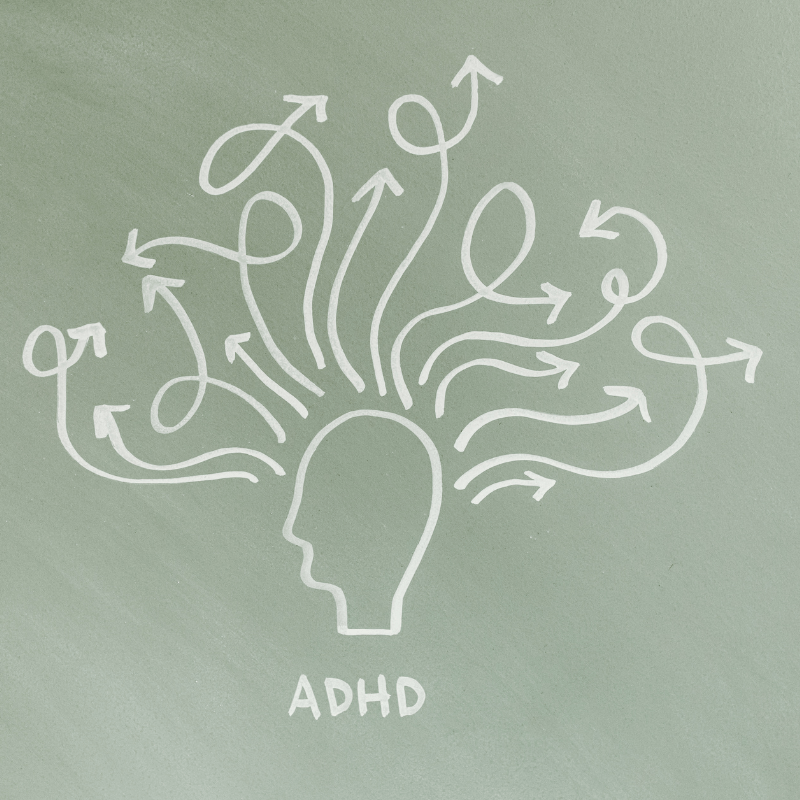
The hallmarks of ADHD include:
- Inattention: difficulties paying attention and staying focused on tasks or activities; difficulties organizing tasks, paying attention to details, and following instructions; trouble staying organized and frequently losing things.
- Hyperactivity: excessive and often restless physical activity; a constant need to move, fidget, or excessive talking; difficulty sitting still, particularly in situations that require to be quiet or calm.
- Impulsivity: acting without thinking about the consequences; difficulty controlling impulses, resulting in impulsive behaviors such as interrupting others, blurting out answers, or engaging in risky activities without considering the potential dangers (reckless driving, unsafe sex, spending, etc.)
ADHD is not a learning disability or emotional problem, but it can co-occur with learning disabilities and mood disorders.
How does ADHD look like?
Teenagers with ADHD may appear lazy, absentminded, impulsive, easily distracted, cannot sit still, leave unfinished homework or tasks at home, and may have difficulties in social relationships.
Adults with ADHD may experience personal and professional problems, due to inability to meet goals. They may have issues completing work, inability to sit for long periods of time, low self-esteem, memory problems, anxiety, and depression.
ADHD Evaluation
ADHD testing typically involves a comprehensive assessment conducted by a qualified professional (PsyD, PhD, MD) to gather information about your symptoms and behavior patterns, and how they impact important aspects of your life.
To better make an accurate diagnosis, our approach to ADHD assessments includes,
1. Clinical Interview (1-2 hours). Questions about your symptoms, history, and any challenges you may be experiencing. This includes behavioral observations, medical and developmental history. This helps ensure that an ADHD pattern exists and rule out other possible causes of your symptoms, such as anxiety, depression, and mild cognitive impairment due to Long Covid for example.
2. Standardized inventories and questionnaires completed by you, a family member and/or other relevant people in your life (1-2 hours). These are used to collect information about ADHD symptoms, the severity, and the impact on your daily life.
3. Psychological testing (3-4 hours), to assess cognitive functioning, attention, executive skills, and other relevant psychological factors, to have additional insights into your strengths and weaknesses.
4. Feedback session (30-45 minutes) to discuss the results of the test and treatment recommendations.
ADHD testing helps determining an accurate diagnosis to develop treatment strategies, such as medication options, behavioral interventions, and work/academic accommodations, to manage your symptoms, improve overall functioning and have quality of life.
Learning Disability Assessment
A learning disability evaluation is a detailed process designed to uncover the reasons behind a child’s struggles in areas such as reading, writing, math, or other academic skills. These evaluations are essential for identifying specific challenges that may not be obvious through standard classroom performance alone. By understanding the unique ways a child learns and where they might face difficulties, parents and educators can work together to create targeted support strategies that help the child build confidence and achieve their full potential.
The evaluation is typically conducted by trained professionals, such as psychologists or educational specialists, and involves a combination of standardized tests, observations, and interviews. These tools are used to assess a child’s cognitive abilities, processing skills, and academic performance. The results provide valuable insights, not only diagnosing potential learning disabilities but also highlighting a child’s strengths. This comprehensive approach ensures that families receive personalized recommendations and access to resources tailored to their child’s needs.

Psychological Testing Expert

Rosemary Eljaua, Ed.S.
Rosemary Eljaua, Ed.S. is a bilingual, Licensed and Certified School Psychologist. With over
30 years of professional practice as a dual practitioner in both the public and private school sectors, Rosemary is passionate about helping families understand how academic, behavioral, as well as social emotional strengths and weaknesses can impact a child’s learning, social relationships, and adaptability.
She strives toward providing a warm, welcoming environment in which her clients feel safe and validated for their individuality. Her vast experience in working within the schools enables her to assist families in navigating the educational complexities of school terminology, procedures, and policies including Response to Intervention, Section 504/ADA Plans, and Individual Education Plans.
Areas of psychological assessment specialization include (ages 3 through 21):
- Psychological assessment of Learning Disabilities (i.e., dyslexia, dyscalculia, dysgraphia)
- ADHD
- Autism Spectrum Disorder
- Developmental Delays
- Intellectual Disabilities
- Emotional and Behavioral Disorders
- College & professional board assessments for accommodations (i.e., SAT, ACT, LSAT, MCAT, etc.)
As a bilingual psychologist, Rosemary speaks fluent Spanish and also specializes in the
assessment of culturally and linguistically diverse students with extensive training and
experience in multicultural assessment.
All evaluations include a results session with clients during which time questions are addressed and relevant recommendations to guide educational as well as therapeutic treatment planning are discussed.
To schedule a free consultation, please contact Rosemary Eljaua directly at (954) 830-1172 or via email at reljaua03@gmail.com.
Evaluation fees will be determined subsequent to your initial consultation.