
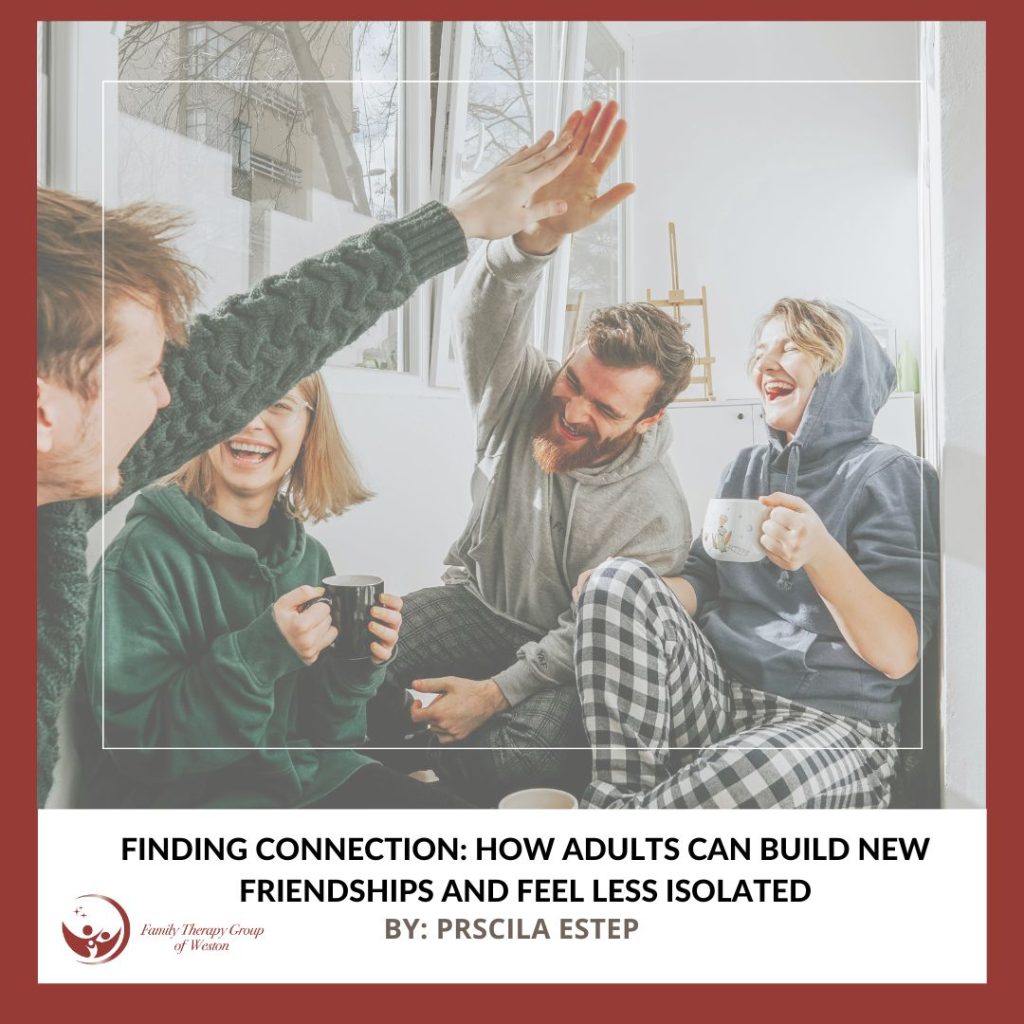
Finding Connection: How Adults Can Build New Friendships and Feel Less Isolated
Written by: Prisicla Estep
Feeling isolated as an adult is more common than many people realize. Busy schedules, work demands, parenting responsibilities, relocations, and life transitions can make it harder to maintain old friendships or create new ones. Over time, loneliness can quietly affect emotional well-being, confidence, and overall happiness.
The good news is that meaningful connection can still happen at any stage of life. Building friendships as an adult may take intention, but small steps can lead to genuine and lasting relationships.
Start With Small Interactions
New friendships often begin with simple conversations. Smiling at a neighbor, chatting with a coworker, or talking to someone at the gym or coffee shop can help build comfort and connection over time.
Not every interaction needs to become a close friendship. Small moments of connection still matter and can reduce feelings of isolation.
Join Activities That Match Your Interests
One of the easiest ways to meet people is through shared interests. Consider:
- Fitness classes
- Book clubs
- Volunteer opportunities
- Community events
- Faith groups
- Sports leagues
- Art or cooking classes
Shared activities create natural opportunities for conversation and help reduce the pressure of “trying to make friends.”
Be Willing to Reach Out
Many adults wait for others to initiate plans, but taking the first step can open the door to connection. Inviting someone for coffee, a walk, or lunch may feel uncomfortable at first, but many people are also looking for friendship and appreciate the invitation.
Connection often requires vulnerability and consistency.
Limit Isolation Habits
While scrolling social media or staying home may feel easier after a long day, too much isolation can increase loneliness. Finding balance by making time for in-person interaction, even occasionally, can improve emotional well-being.
Quality matters more than quantity. A few meaningful relationships can make a significant difference.
Stay Open to Different Types of Friendships
Adult friendships may look different than they did earlier in life. Some friends may become workout partners, supportive coworkers, neighbors, or people you only see occasionally. Not every friendship needs to be deeply intense to still be valuable and supportive.
Practice Patience
Building trust and connection takes time. Friendships often develop gradually through repeated interactions and shared experiences. It is important not to become discouraged if meaningful relationships do not happen immediately.
Consistency, openness, and kindness often create opportunities for connection over time.
Final Thoughts
Loneliness does not mean someone is failing socially — it often reflects the realities of adult life. Creating new friendships may require stepping outside of comfort zones, but meaningful connection is still possible at any age.
Sometimes the smallest step — saying hello, joining a group, or reaching out — can become the beginning of a supportive and lasting friendship.



Recent Posts
 Finding Connection: How Adults Can Build New Friendships and Feel Less Isolated
 When Words Aren’t Enough: How Somatic Therapy Helps Us Heal Through the Body
 Birthday Blues: Why Milestone Birthdays Can Bring Up Unexpected Emotions
 More Than a Title: Understanding Your Therapist’s Role
 Common Signs of ADHD in Elementary Aged Children
Written by Priscila Estep

From Priscila's bio...
“In sessions, Prisicila embraces Cognitive Behavioral Therapy (CBT) to help clients examine the connections between thoughts, emotions, and behavior. Clients will learn to identify and overcome cognitive distortions or "thinking traps," such as all-or-nothing thinking, catastrophizing, and faulty assumptions. Prisicila also integrates mindfulness and grounding techniques to encourage non-judgmental observation and focus on the present moment.”